Making Peace with Rest
Making Peace With Rest
Why slowing down can feel harder than pushing through and what your body is really asking for
There are seasons when rest feels like the most natural thing in the world.
And then there are seasons when rest feels… impossible.
Not because you don’t want it.
Not because you don’t value it.
But because your body doesn’t quite know how to receive it yet.
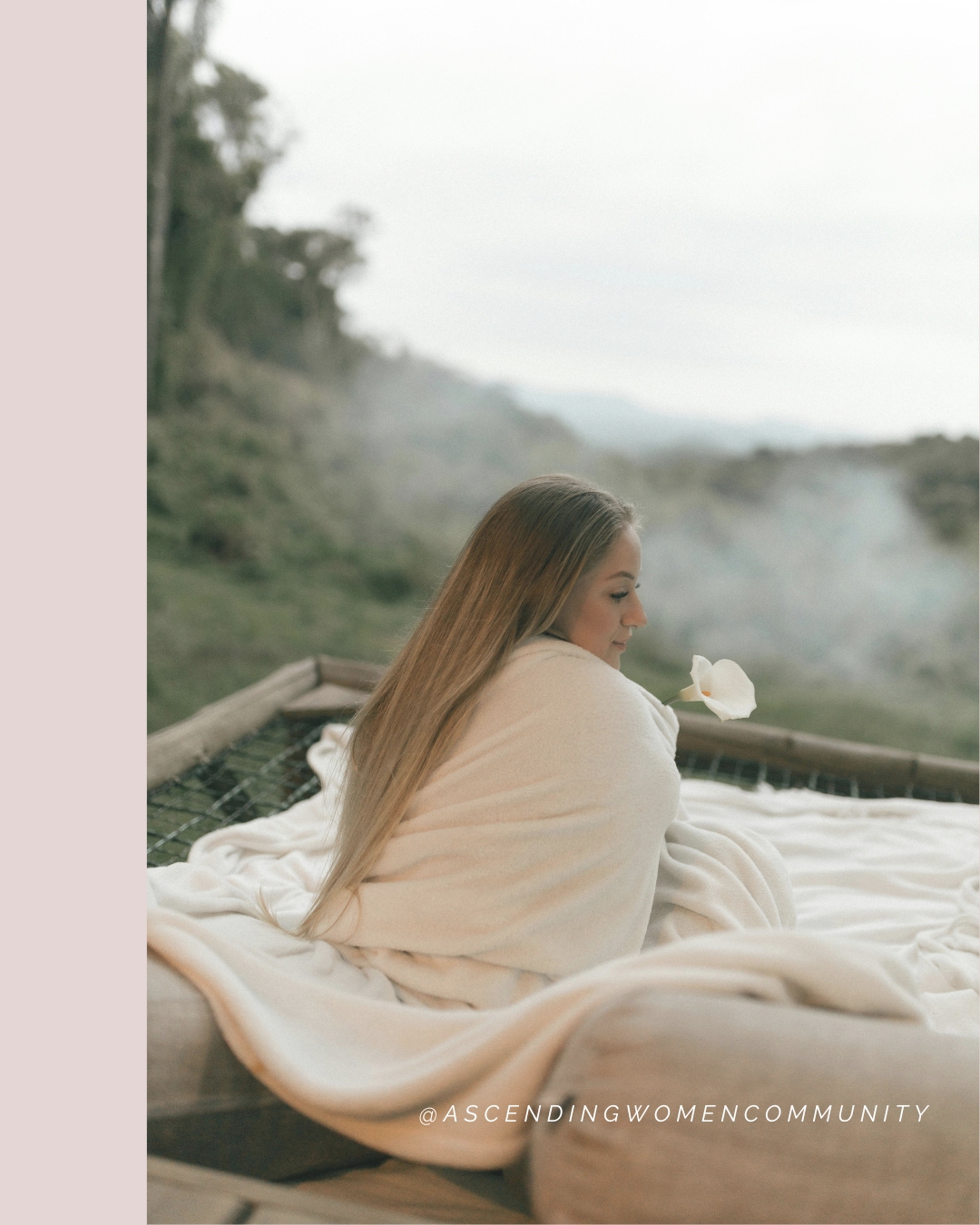
I was reminded of this recently during four days at Grail Springs retreat - a space intentionally designed for stillness, quiet, and nervous system repair.
There was nothing I needed to do.
No one waiting on me.
No decisions demanding urgency.
And still, my system kept bracing.
My shoulders stayed lifted without me noticing.
My jaw held tension.
My neck pain, an old signal, returned quietly, reminding me how long I’ve been carrying myself through life.
When rest doesn’t land right away
What surprised me most wasn’t how peaceful the environment felt.
It was how long it took my body to believe it was safe.
Even surrounded by calm, my nervous system stayed alert, scanning, holding, preparing.
That’s when I realized something important:
For many of us, rest isn’t unfamiliar because we’re doing it wrong.
It’s unfamiliar because our bodies learned early that staying “on” was protective.
When life required us to adapt, stay strong, or hold things together - vigilance became normal.
So when stillness finally arrives, the body doesn’t immediately soften.
And that isn’t resistance.
It’s memory.
The quiet truth about rest
Rest is not an on/off switch.
It’s a relationship.
One built slowly through repeated moments of safety, permission, and non-demand.
Over those four days, rest didn’t arrive as a wave of calm.
It arrived in fragments.
In a deeper breath I didn’t force.
In my shoulders dropping for a moment.
In a realization that nothing bad happened when I stopped bracing.
I didn’t need to “relax better.”
I needed to stop asking my body to perform peace.
What making peace with rest actually looks like
For me, it looked simple and human:
pausing instead of pushing through discomfort
letting tension be information, not a problem
allowing “not yet” to be a complete sentence
Rest wasn’t about checking out of life.
It was about letting my nervous system reorient, slowly, back to itself.
If rest feels hard for you
If you’ve ever tried to slow down and felt more anxious instead…
If stillness makes your thoughts louder…
If your body holds tension even when your mind wants calm…
You’re not broken.
You’re learning safety again.
And that learning happens gently, not through force.
A simple way to begin
One of the practices that supported me most, both during my transition and in moments like this, is returning to the body before trying to find clarity.
Before answers.
Before meaning.
Before forward motion.
That’s why I created Return to Self - a short grounding meditation designed to help your system settle before you ask anything of yourself.
Not to fix.
Not to visualize.
Not to perform healing.
Just to land.
If your body has been holding more than your mind realizes, this is a place to begin.
👉 Access the Return to Self meditation here
You don’t need to earn rest.
You just need a place to arrive.
—
This grounding approach is the foundation of my work with women - through writing, meditation, and shared integration spaces like The Circle.
You don’t need to rush clarity.
You just need a place to land.


